
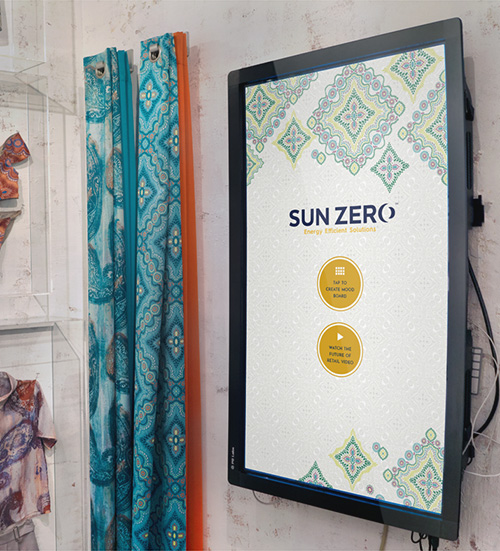
Lichtenberg Interactive Showroom Experience
- Technology Advisors
- Tech Development Team
- Creative Direction and Design
- UI/UX
- Custom Installation
Overview
For more than 80 years, Lichtenberg has been a leading designer and manufacturer of curtains and draperies for home and bathroom applications.
With their offices and showrooms in NYC being home to bi-annual meetings for their buyers from Walmart, J.C. Penney, Kohl's, and many other top retailers, their team was looking to create a unique and memorable presentation.
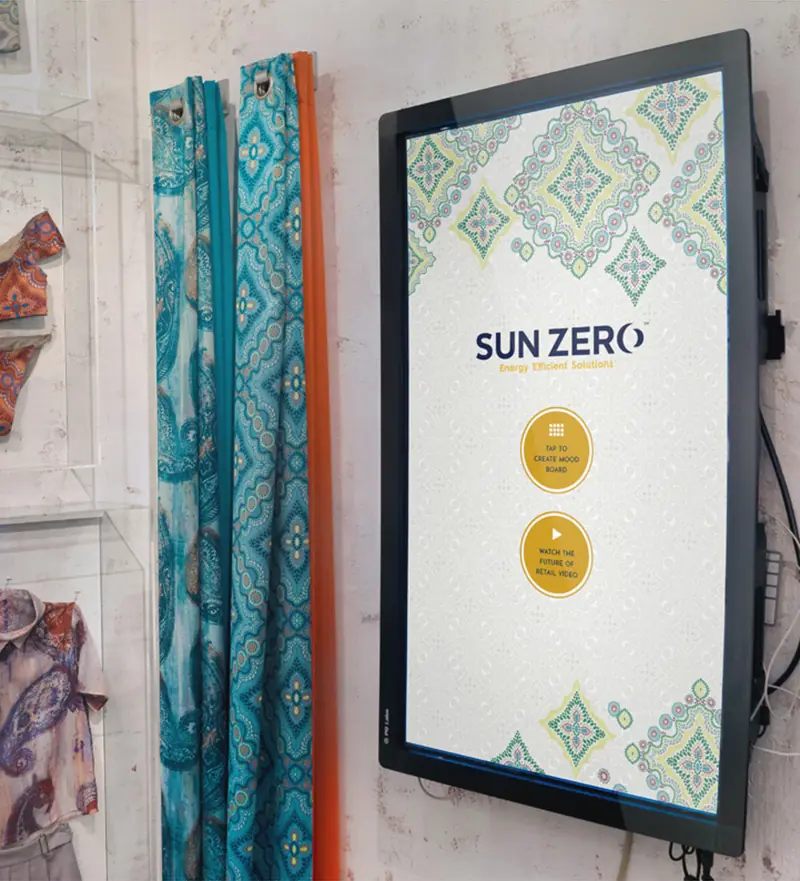
For their latest showroom exhibit, Lichtenberg's design team requested that Genome produce a simple interactive touch screen to enhance the experience by allowing buyers to create their own mood boards featuring new products from the exhibit. Once mood boards had been created, buyers could email the collection to themselves for review at their home or office.
Key Features
- Custom Showroom Interactive Experience
- Touch Screen Functionality
- Drag and Drop
- CMS
- Email from Touch Screen
- Data Capture
More Examples
Case study
A touch-screen mood board for Lichtenberg's NYC showroom
Lichtenberg has designed and manufactured curtains and draperies for home and bathroom applications for more than 80 years. Its New York offices and showrooms host bi-annual meetings with buyers from Walmart, J.C. Penney, Kohl's, and other top retailers. For its latest showroom exhibit, Lichtenberg's design team asked Genome for something simple: an interactive touch screen that would make the presentation more memorable.
This was a design problem for a room of busy professionals rather than for a website visitor. Buyers move through a showroom quickly, see many products, and need to remember what caught their eye once they are back at their desks. Any interaction had to be learnable in seconds, work for someone standing at a screen, and leave the buyer with something to take away.
The answer was a mood board builder. With touch screen functionality and drag and drop, buyers pull new products from the exhibit into their own board and arrange them the way they would think about a collection. Email from the touch screen solves the memory problem directly: the finished collection goes to the buyer's inbox for review at home or in the office.
Genome handled the custom installation as well as the software. A CMS behind the experience lets the products shown on screen be managed without rebuilding the application, which matters for a showroom whose exhibits change from one season to the next. Data capture is part of the experience too, so each session leaves a record the team can return to.
For Lichtenberg's team, the installation adds a hands-on moment to the buyer meetings and a follow-up that buyers request themselves. The captured data can show which products buyers chose to group together, and the CMS means future exhibits can reuse the same experience with new collections instead of starting over.
Compare this interactive showroom storytelling case study with other digital work, explore the supporting services, or read the studio journal for practical thinking about products and experiences. To discuss a similar challenge, visit contact.