Menu
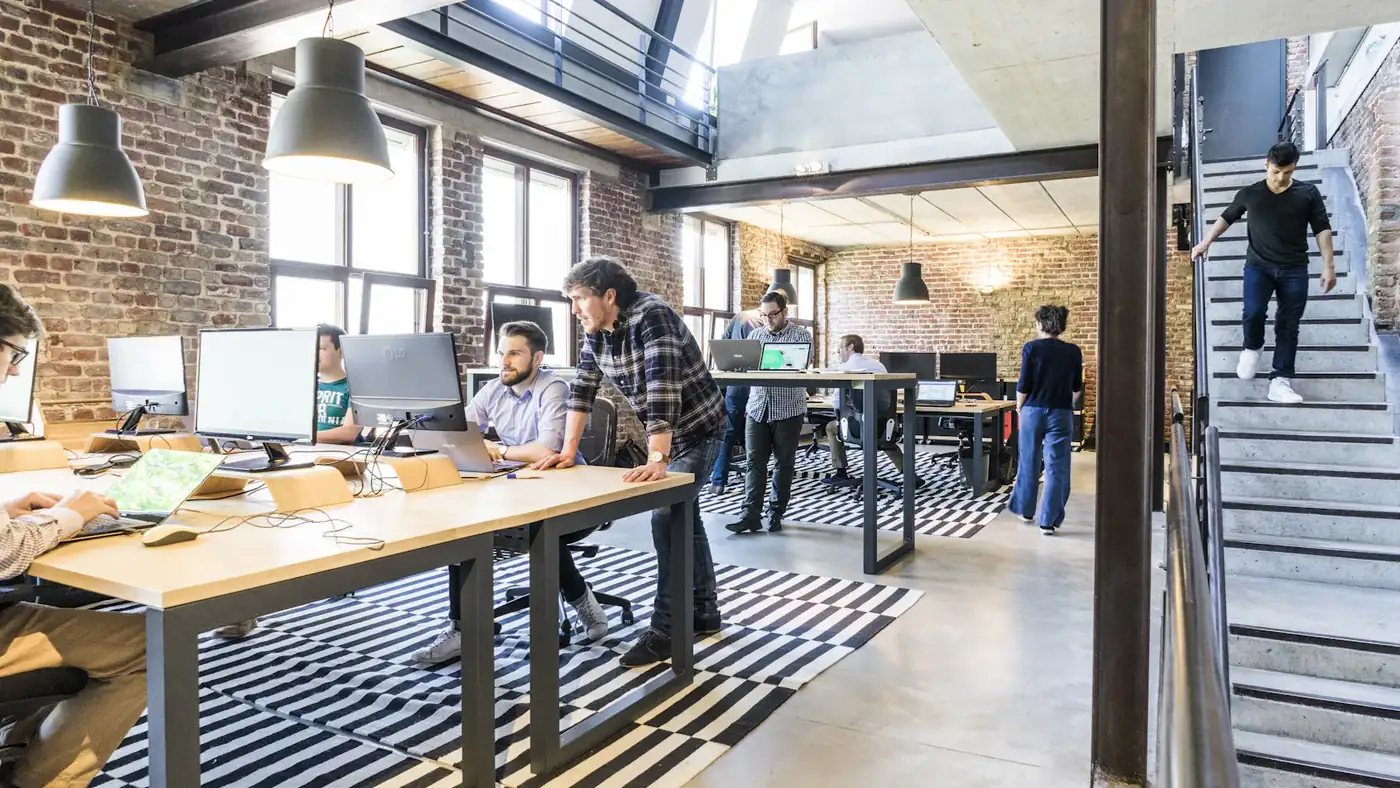
the view from our office

Genome is an award-winning experiential digital innovation agency & start-up incubator.

We Create

Something out of nothing is a myth. We start with the essence of each client’s brand to create customized solutions.

We Invest

Inspired by the future, we make seed investments that enable growth.See Our Portfolio Companies

We Build

We fortify brands with executions borne from precise strategy.

We Design

You’ll want to see and touch our look and feel. Our user experiences stand out with aesthetic mergers of form and function.See Our Work

We Code

Solidifying messages with software. We tell stories with technical expertise brought to life by future-friendly development.

Genome delivers strategy, design, and technology.

Our team has the pedigree to execute on your business goals and the experience to guide you through growing each aspect of your product.

Explore Services

We've leveraged the power of Shopify to create an in-house app and continue to provide support to our clients in managing their stores.

Explore Shopify Plus

Our Clients & Partners

  • Docker
  • Momentum
  • IPG
  • Hands All Together
  • MPOWERD
  • Lichtenberg
  • Syntactx
  • Tribal Worldwide
  • DDB Worldwide
  • Universal Music Group
  • Omnicom Group
  • AntiGravity
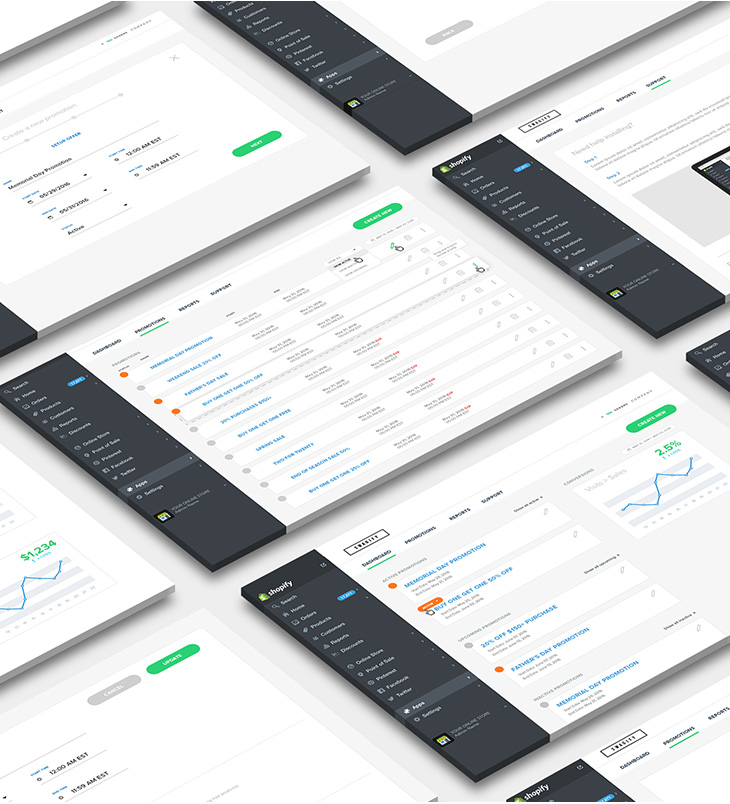
  • SwagifyUpsell Products. Increase Sales. Incentivize Customers.See work
    Swagify
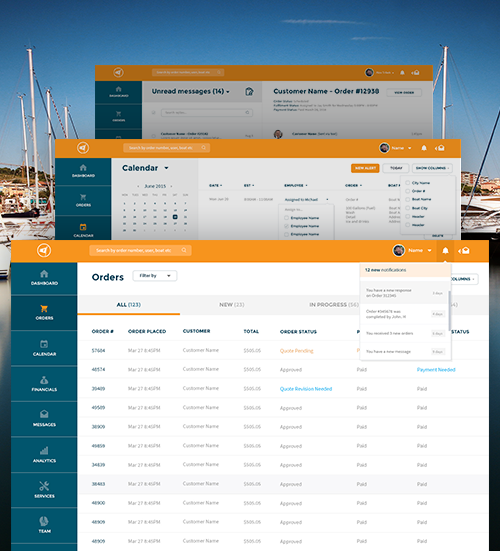
  • Boatyard for BusinessMarine Business Management Made EasySee work
    Boatyard for Business
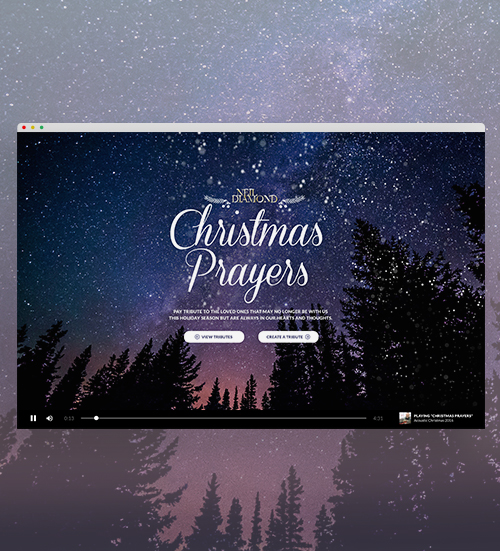
  • Neil Diamond Christmas PrayersSee work
    Neil Diamond Christmas Prayers
  • SnapbacSee work
    Snapbac
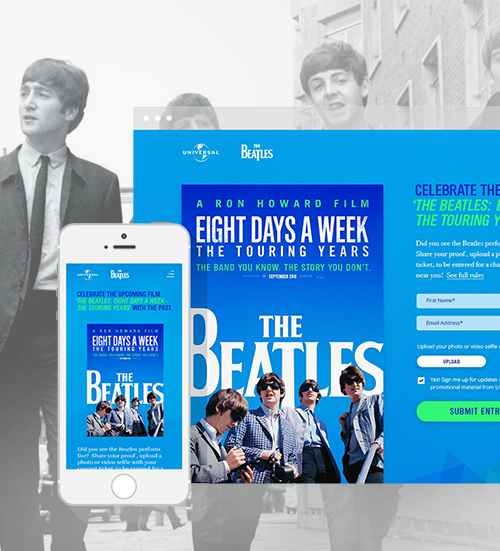
  • Eight Days A WeekThe Touring YearsSee work
    Eight Days A Week
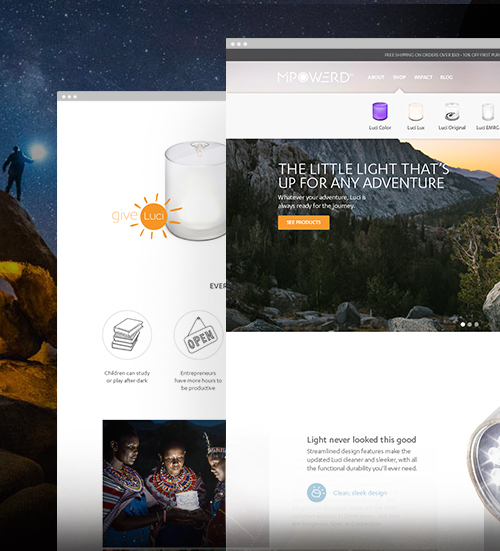
  • MPOWERDThe original solar inflatable lightSee work
    MPOWERD
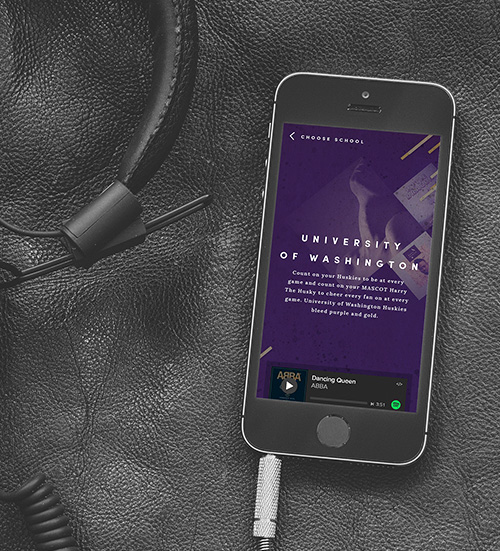
  • Universal Music - March Music ChallengeSee work
    Universal Music - March Music Challenge
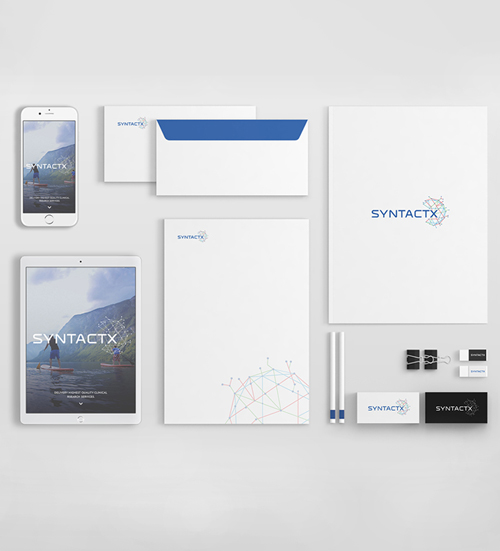
  • SyntactxClinical Research ServicesSee work
    Syntactx
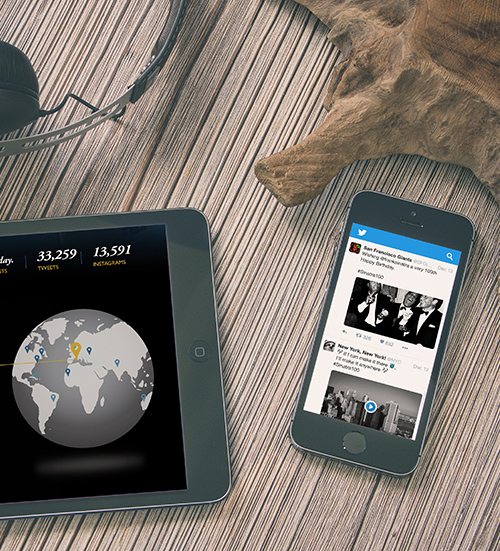
  • #Sinatra100Social CampaignSee work
    #Sinatra100
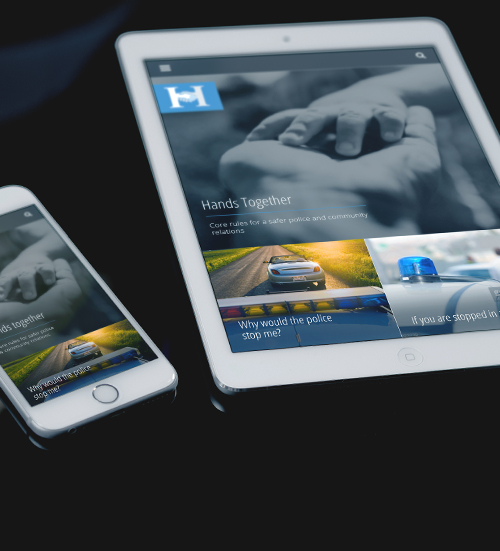
  • Hands All TogetherSafer citizen-police encountersSee work
    Hands All Together
  • Universal MusicWorld Music ChallengeSee work
    Universal Music
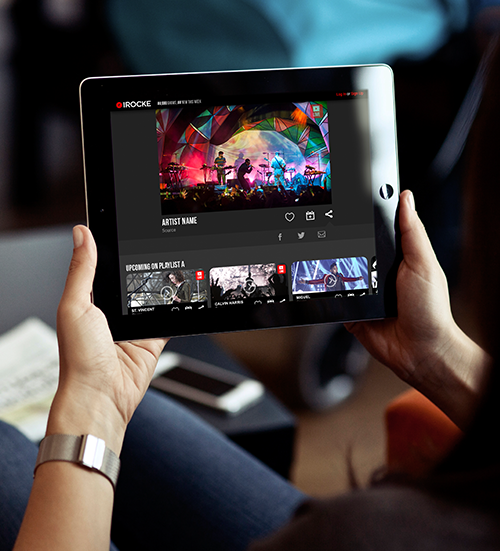
  • iRockeLIVE Digital ConcertsSee work
    iRocke
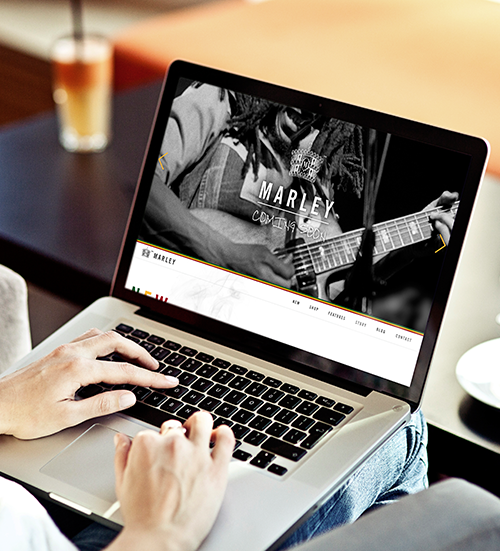
  • Bob Marleyofficial Marley Apparel shopSee work
    Bob Marley

How we work

From a first conversation to a product people return to

Most projects arrive half-formed: a launch date, a rough idea of the audience, a platform someone has already chosen, and a feeling that the current experience is not doing its job. Our first task is to separate what is known from what is assumed, then design the shortest route to evidence. The steps below are not a rigid methodology. They are the habits that have held up across music campaigns, commerce builds, clinical research tools and start-ups we have helped grow from a single slide.

Open-plan studio with designers and developers working at shared desks
Strategy, design and engineering sit in the same room, so questions get answered in minutes rather than in the next status meeting.
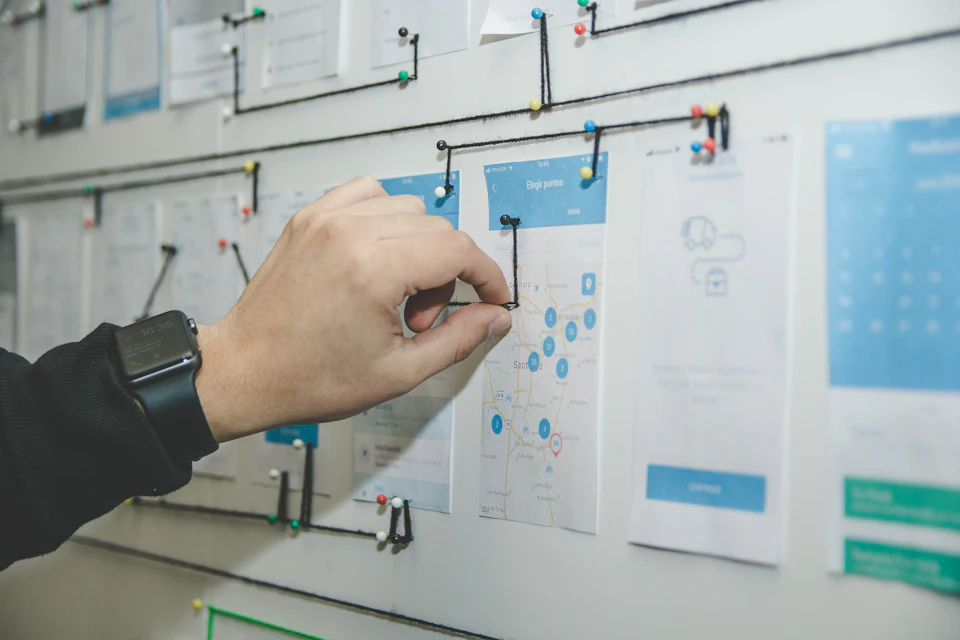
Customer journey map pinned to a wall during a discovery session

1. Discovery that ends in decisions

We interview the people who answer customer emails, read support tickets and look at analytics before anyone opens a design tool. The output is a short decision log: who the product serves first, what it must prove in the first ninety days, and which ideas are deliberately parked. A good discovery phase removes options as often as it adds them.

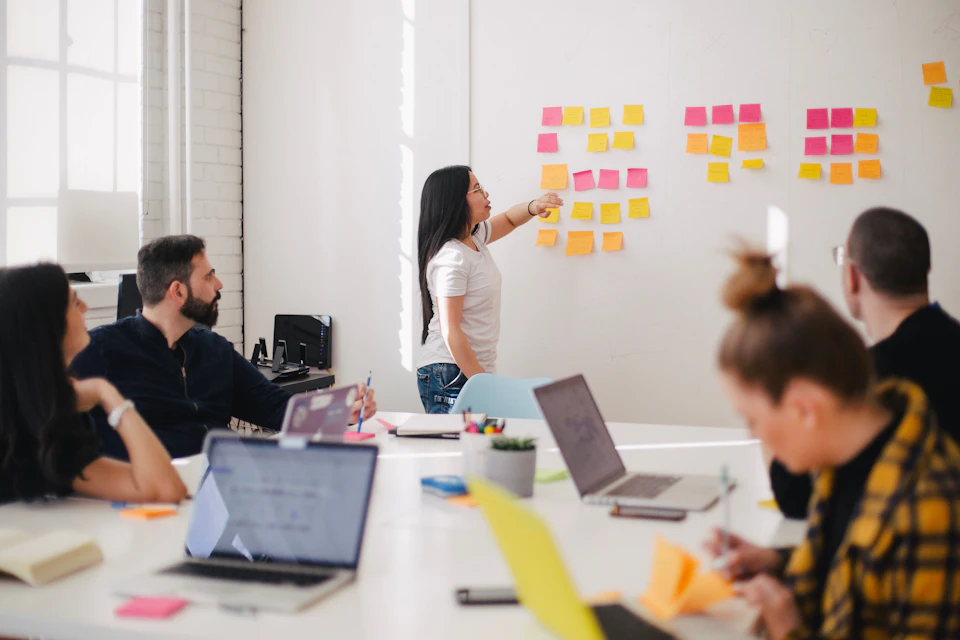
Product team reviewing sticky notes in a strategy workshop

2. Workshops with the whole room

Marketing, operations, legal and engineering usually hold different pictures of the same product. A half-day workshop puts those pictures on one wall. We rank problems by how often they occur and how much they cost, agree on a vocabulary, and leave with a prioritized backlog that every department has seen and signed off.

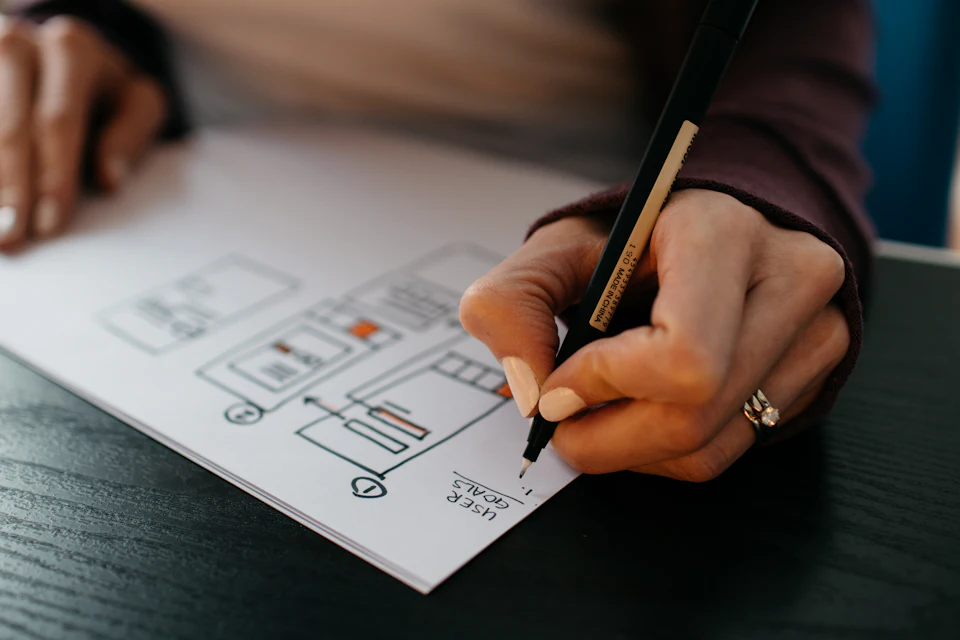
Designer sketching mobile wireframes with a pen on paper

3. Sketching before polishing

Paper and grey boxes are cheap to throw away, which makes them the right place to argue about structure. We sketch the key screens at phone size first, because a layout that works in a narrow column usually expands gracefully, while a desktop layout squeezed onto a phone rarely does. Visual style comes later, once the hierarchy is settled.

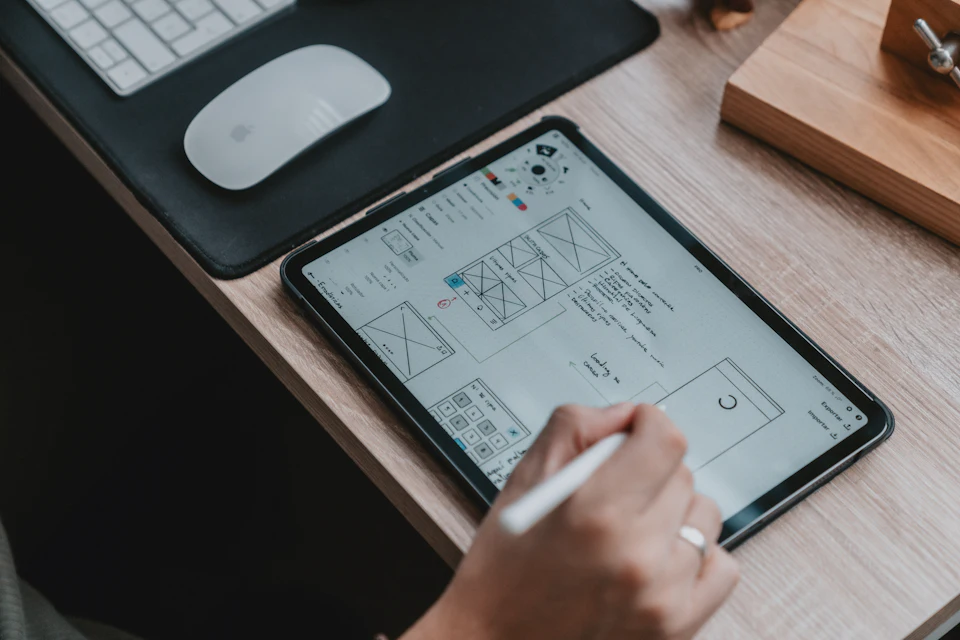
Interface wireframe being drawn on a tablet with a stylus

4. Prototypes real people can try

A clickable prototype in front of five target users shows more than a week of internal debate. We watch where people hesitate, which labels they misread and what they expect to happen next. Fixes at this stage cost hours; the same fixes after launch cost sprints, support time and sometimes a campaign that never recovers its momentum.

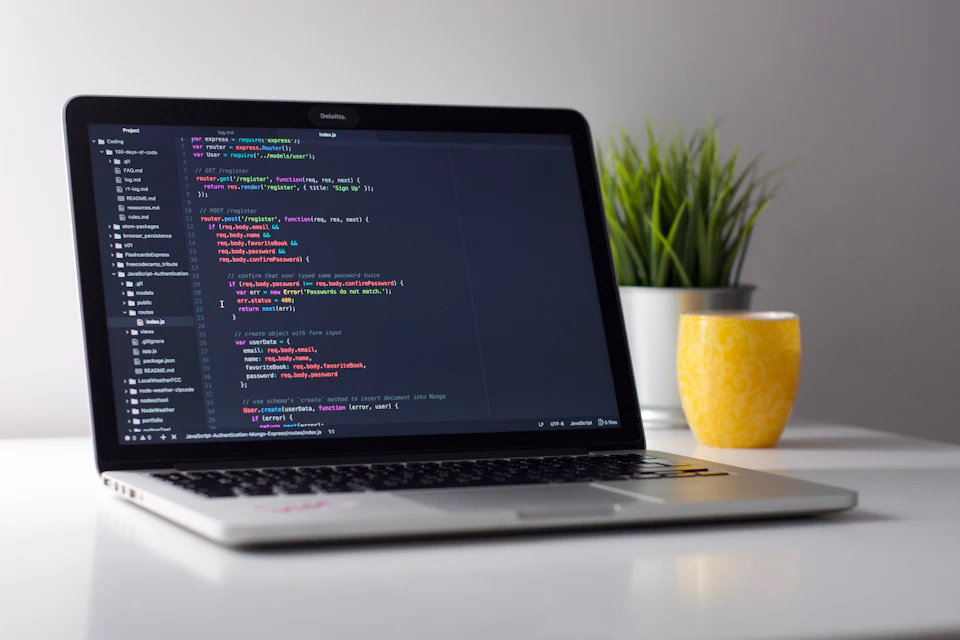
Laptop on a desk with source code open in an editor

5. Engineering that stays maintainable

We build with a component library shared between design and code, write down the reasons behind architectural choices, and keep integrations behind clear interfaces so a payment provider or CMS can be replaced without rewriting the front end. Performance budgets are set early: a page that loads in two seconds on a mid-range phone is a design decision, not an afterthought.

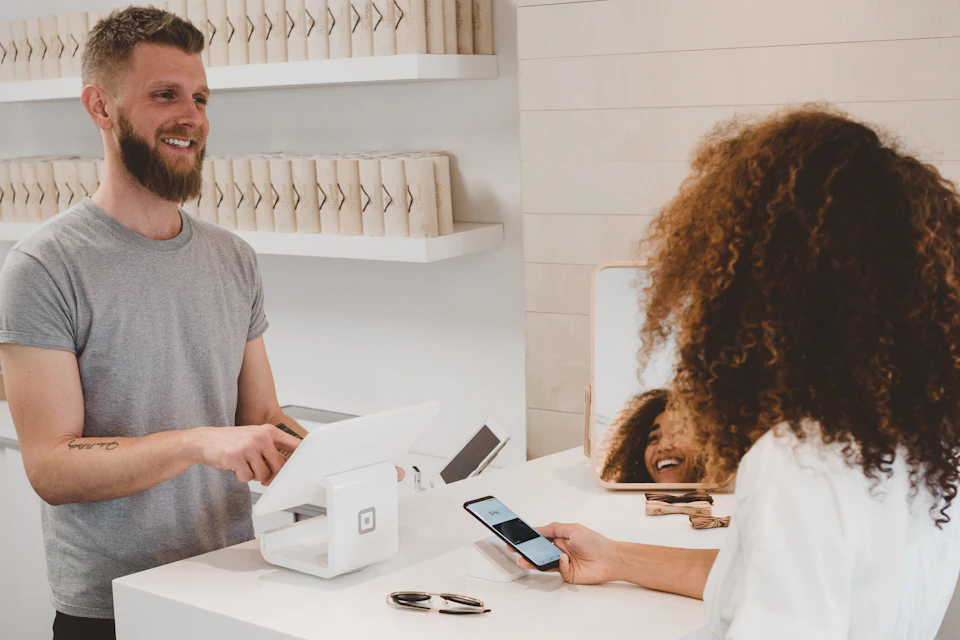
Customer paying with a smartphone at a shop counter

6. Commerce that respects the buyer

On Shopify Plus projects we focus on the moments where buyers drop out: unclear delivery costs, account walls before checkout, product pages that hide sizing information. Our in-house app and custom storefront work grew out of these problems. The goal is fewer surprises for the customer and fewer manual workarounds for the team running the store.

Team working together on laptops around a shared table

Launch is the midpoint, not the finish line

The weeks after release are when a product meets real traffic, real content editors and real edge cases. We agree on a handful of measures before launch, such as completed sign-ups, checkout conversion or time to publish a new page, and review them together two weeks later. Some fixes are obvious within days; others only appear once a season of content has passed through the system.

Because Genome also invests in and incubates early-stage companies, we look at products the way founders do: every feature has to earn its maintenance cost. That perspective shapes how we advise established brands too. Sometimes the most valuable recommendation is to remove a feature, simplify a form or postpone a redesign until the data says it is needed.

Questions clients ask before we start

How long does a typical project take?
A focused discovery and prototype phase usually runs four to six weeks. A full website or commerce build tends to take three to five months, depending on integrations and how much content needs to be written or migrated. We give a range at the start and narrow it as soon as the riskiest unknowns are resolved.
Can you work alongside our in-house team?
Yes, and we often prefer it. Your developers know the legacy systems and your marketers know the audience. We pair with them, document decisions in shared tools and hand over code reviews gradually, so the product does not depend on us once the engagement ends.
Do we need Shopify Plus, or is standard Shopify enough?
Many stores do well on standard Shopify. Plus starts to pay off with high order volumes, multiple storefronts, wholesale channels or checkout customization. We look at your order data and roadmap before recommending a plan, and we will say so if the upgrade is not yet worth it.
What do you need from us to begin?
Access to existing analytics, a list of the people who make decisions, any research or customer feedback you already have, and an honest account of what has been tried before. A short kickoff with the people closest to customers is often the most useful hour of the whole project.

Studio

Turning ambitious ideas into useful digital products

Genome Studio helps organizations move from an early idea to a digital experience people can understand and use. The work starts with the reason a product needs to exist: a customer question, a business opportunity, a service that needs a clearer front door, or a story that deserves a better way to travel. That context gives every later decision a useful measure.

For a digital product studio, the work often begins long before a screen is drawn, in the conversations where a client's ambitions are still taking shape. We treat those early sessions as design material in their own right, mapping the decisions that matter and the people who will live with them. Prototypes move quickly, but never carelessly, because each round is a chance to learn something the brief could not tell us. Documentation stays close to the build so that handover feels like a continuation rather than a restart, and casinos not on gamstop sits alongside that process as one more thread in an ongoing body of work.

Strategy, content, design, and engineering stay close together throughout the process. A clear proposition shapes the structure, the structure guides the interface, and the interface gives the technology a purposeful job. This connected approach keeps teams from polishing isolated screens while the larger journey remains difficult to follow.

A studio's work often starts long before anything visible exists, in the conversations where a client's ambitions are still taking shape. We spend time with the people who will actually use what we build, mapping the friction points and the small moments of delight that shape how a product feels in daily use. That research feeds directly into the design decisions, so every screen and interaction has a reason behind it rather than a trend. For teams weighing where to begin, non gamstop casinos sits alongside the broader thinking we bring to each engagement, from early discovery through to launch and the iterations that follow.

The result should feel distinctive without becoming demanding. Visitors need recognizable cues, readable language, and a confident path through important information. Product teams need components that can grow with new content and changing priorities. By considering both sides of that experience, we create digital work that is expressive on first contact and dependable after launch.

For a studio, the work that happens before a single screen is drawn often decides how the rest of a project unfolds. We spend that time asking what a product needs to prove, who will be watching when it does, and which decisions can be made early so they don't resurface later. It is less about decoration than about sequencing: knowing what to show first, what to hold back, and where a small detail earns its place. That groundwork carries through every phase that follows, and casinos not on gamstop sits alongside the thinking we bring to each engagement from the outset.

Good work continues beyond the first release. We look at how people move through a journey, where questions remain unanswered, and which small improvements can remove unnecessary effort. That learning informs the next release, the next campaign, and the next service touchpoint. The goal is a digital foundation that earns trust through clarity rather than noise.

Explore our services, browse selected work, or read the studio journal for practical perspectives on products, commerce, content, and experience. When a new brief is ready to take shape, the contact page is the best place to begin.