
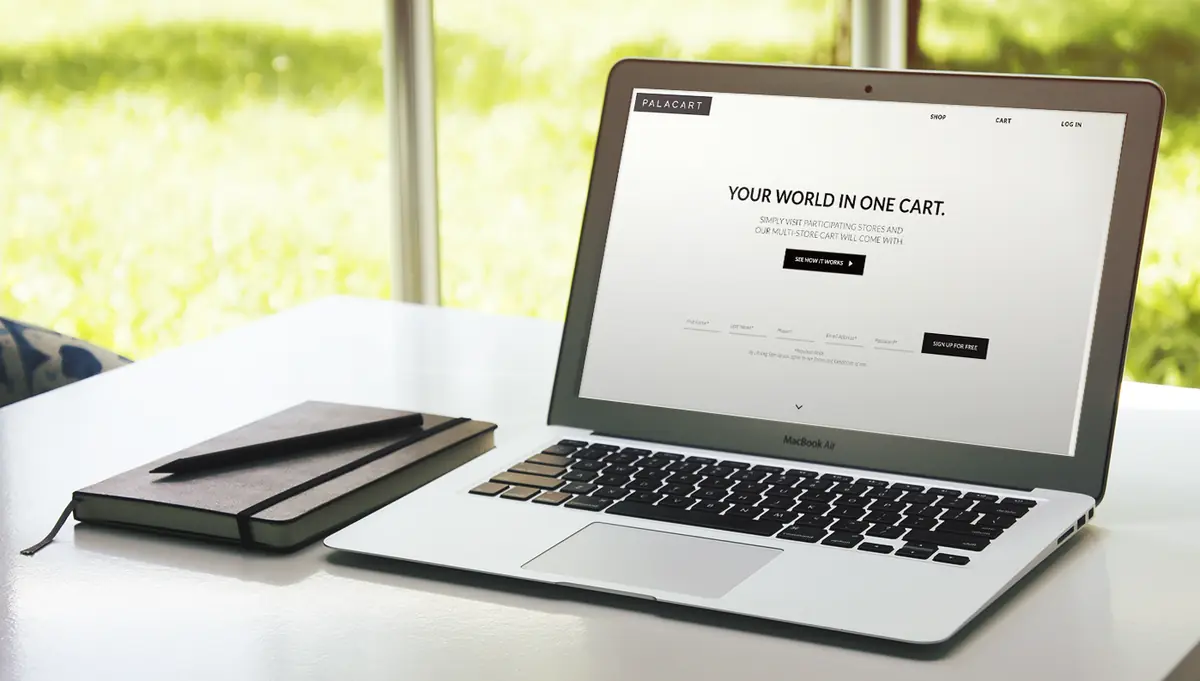
PaLaCart Simple. Seamless. Safe.
- TECHNOLOGY Advisors
- Technology DEVELOPMENT TEAM
- UI / UX
- Design
Overview
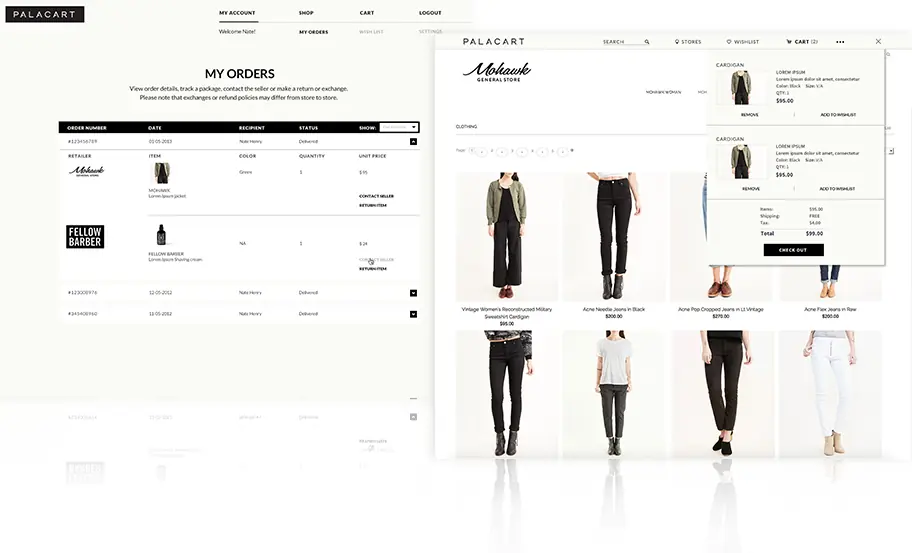
PaLaCart is the world’s first universal shopping cart that enables online consumers to seamlessly shop and checkout between independent merchants in one multi-store shopping cart. PaLaCart members can save items to a universal wishlist, conduct transactions, track orders, and initiate returns in one portal.
Key Features
- Standardized, streamlined shopping experience
- Universal checkout
- One username/password across many merchants
- Universal wishlist
- Universal order tracking
- Universal return management
Website
More Examples

Case study
PaLaCart: one cart, one login, many independent merchants
PaLaCart set out to build the world's first universal shopping cart: one place where online shoppers can buy from many independent merchants and check out once. Members can save items to a universal wishlist, conduct transactions, track orders, and initiate returns from a single portal. Genome provided technology advisory, the development team, UI/UX, and design.
Shopping across independent stores usually means a new account, a new checkout form, and a new returns process at every site. Each merchant designs its own flow, so the shopper carries the burden of learning them all. The tagline, Simple. Seamless. Safe., names the bar the product had to clear: making many stores feel like one without hiding which store a purchase comes from.
Each key feature removes a point of repetition. One username and password across many merchants ends the cycle of creating accounts. Universal checkout lets a shopper pay for items from several stores in one step. A universal wishlist keeps saved items together wherever they were found, and a standardized, streamlined shopping experience means the same actions work the same way at every merchant.
The after-purchase side needed equal attention. Universal order tracking gives one view of orders that may ship from different merchants on different timelines, and universal return management brings returns into the same portal. Designing those views meant presenting each merchant's orders clearly within a shared layout, so a shopper always knows which store is responsible for which item.
For PaLaCart, the result is a consistent product that members learn once and use across every participating store. Merchants, in turn, can offer their customers a familiar cart and account system without building one themselves. The standardized structure also gives PaLaCart a framework that can extend to new merchants without redesigning the experience each time.
Compare this restaurant ordering journeys case study with other digital work, explore the supporting services, or read the studio journal for practical thinking about products and experiences. To discuss a similar challenge, visit contact.